



How Ventilated Bag Exporters Support Farm-to-Market Logistics?
Agricultural products begin a long journey the moment they are harvested. From farms and collection centers to storage facilities, processing units, wholesalers, retailers, and export destinations, every stage of transportation plays a crucial role in maintaining product quality. For crops such as onions, potatoes, garlic, ginger, and other fresh produce, proper packaging can make the difference between profit and loss.
One packaging solution that has become increasingly important in agricultural logistics is the ventilated bulk bag. Designed to promote airflow and reduce moisture buildup, these bags help preserve product freshness throughout transportation and storage.
As global agricultural supply chains continue to expand, ventilated bag exporters play a vital role in supporting efficient farm-to-market logistics. Their expertise helps farmers, traders, exporters, and distributors move produce safely while minimizing spoilage and maintaining product quality.
Understanding Ventilated Bulk Bags
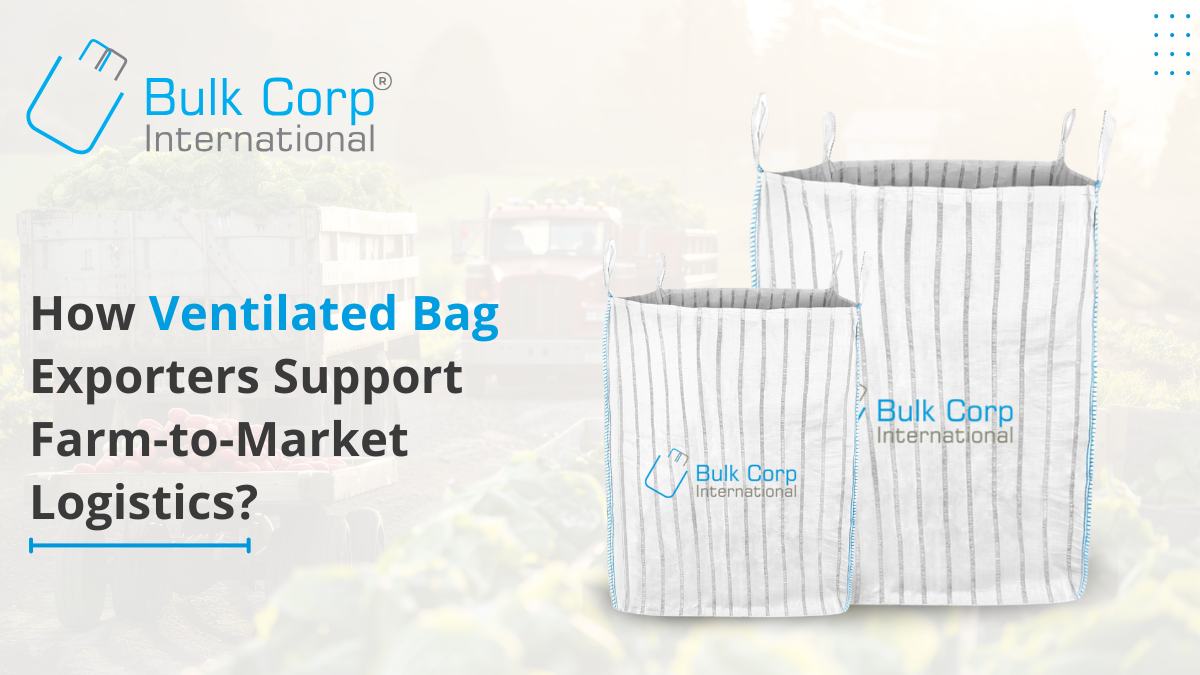
Ventilated bulk bags are specially designed flexible intermediate bulk containers that allow air circulation through strategically placed ventilation panels or fabric structures. Unlike conventional packaging solutions that can trap moisture and heat, these bags support natural airflow around the packed product.
This airflow helps agricultural commodities remain fresh during transportation and temporary storage.
A Fibc Ventilated Bag is commonly used for:
- Onions
- Potatoes
- Garlic
- Ginger
- Carrots
- Fresh vegetables
- Agricultural produce requiring ventilation
These products continue to release moisture after harvest. Without proper airflow, condensation can occur, leading to deterioration, mold growth, and reduced shelf life.
Why Farm-to-Market Logistics Requires Specialized Packaging?
Agricultural supply chains face several challenges that industrial goods do not.
Fresh produce often travels through multiple stages before reaching consumers:
- Farm collection centers
- Warehouses
- Transportation hubs
- Distribution centers
- Wholesale markets
- Retail networks
- Export destinations
During this journey, produce remains vulnerable to:
- Moisture accumulation
- Heat generation
- Product compression
- Physical damage
- Reduced freshness
- Quality degradation
Packaging must do more than simply contain products. It must actively support preservation and efficient handling.
This is where ventilated packaging solutions provide significant value.
The Role of Ventilation in Preserving Agricultural Produce
Freshly harvested crops naturally respire even after harvesting. This process generates heat and moisture within packaged products.
If packaging restricts airflow, internal temperatures may rise and moisture may accumulate. Over time, these conditions can negatively impact product quality.
Ventilated bulk bags help address these issues by:
- Improving air circulation
- Reducing condensation
- Limiting heat buildup
- Supporting freshness retention
- Enhancing storage conditions
For agricultural businesses handling large volumes of produce, these benefits contribute directly to reduced wastage and improved profitability.
How Ventilated Bag Exporters Strengthen Agricultural Supply Chains?
1. Supporting Long-Distance Transportation
Many agricultural products travel hundreds or even thousands of kilometers before reaching end users.
Whether produce is being transported domestically or internationally, maintaining product quality during transit is essential.
Experienced Ventilated Bags Exporter companies understand transportation challenges and design packaging solutions that support airflow throughout the logistics process.
This helps agricultural products remain in better condition from the point of harvest to the final destination.
2. Reducing Post-Harvest Losses
Post-harvest losses remain a major challenge in agricultural industries worldwide.
Poor storage and packaging conditions often lead to:
- Product spoilage
- Weight loss
- Reduced market value
- Increased waste
Ventilated packaging helps minimize these risks by creating an environment that supports airflow and moisture management.
When produce arrives in better condition, farmers and distributors can achieve stronger returns on their harvests.
3. Improving Warehouse Storage Efficiency
Agricultural products frequently spend time in storage before distribution.
Warehouses require packaging solutions that enable safe stacking, handling, and inventory management while supporting product preservation.
Ventilated bulk bags provide:
- Space-efficient storage
- Easy handling
- Better airflow around products
- Reduced risk of moisture-related damage
This combination improves overall warehouse efficiency and inventory quality.
4. Enhancing Export Readiness
Agricultural exports demand strict attention to packaging quality.
Exporters need packaging that can withstand:
- Long transportation periods
- Multiple handling points
- Varying environmental conditions
A reliable Ventilated Bags Provider helps exporters meet these requirements by supplying durable packaging solutions designed for agricultural logistics.
Proper packaging supports smoother operations and helps products reach international markets in optimal condition.
Key Features That Make Ventilated Bulk Bags Effective
Not all agricultural packaging delivers the same performance.
High-quality ventilated bags typically include features such as:
1. Strong Construction
Durable woven polypropylene fabric provides the strength required for transporting bulk agricultural products.
2. Airflow Panels
Ventilation zones allow air circulation throughout the packed material.
3. Easy Handling Design
Lifting loops support efficient loading, unloading, and movement using forklifts or cranes.
4. Bulk Capacity
Large carrying capacities help streamline logistics operations and reduce handling costs.
5. Product Protection
The design helps maintain product integrity during storage and transportation.
These features make ventilated bags an important component of modern agricultural logistics systems.
Choosing the Right Packaging Partner
Selecting the right supplier is just as important as selecting the right packaging solution.
A reputable Ventilated Bags Supplier should offer:
- Consistent manufacturing quality
- Industry experience
- Reliable delivery schedules
- Quality assurance processes
- Agricultural packaging expertise
Businesses should evaluate suppliers based on their ability to understand crop-specific requirements and logistics challenges.
Companies that invest in quality packaging often experience improved operational efficiency and better product outcomes.
Why India Has Become a Major Source for Agricultural Bulk Packaging?
India has established itself as a significant manufacturing hub for industrial and agricultural packaging solutions.
A trusted Ventilated Bags Manufacturer In India can offer several advantages:
- Advanced manufacturing capabilities
- International quality standards
- Competitive production capacity
- Export expertise
- Reliable supply chain support
As global demand for agricultural packaging continues to grow, Indian manufacturers play an increasingly important role in supporting international food supply chains.
Sustainability Benefits of Ventilated Packaging
Sustainability has become a major focus across agriculture and logistics sectors.
Reducing product waste is one of the most effective ways to improve sustainability performance.
When agricultural products spoil during transportation or storage, resources such as water, energy, labor, and land are effectively wasted.
Ventilated packaging helps address this challenge by supporting better preservation throughout the supply chain.
Additional sustainability benefits include:
- Reduced food waste
- Improved transportation efficiency
- Better inventory management
- Longer product shelf life
- Lower replacement costs
These advantages contribute to more responsible and efficient agricultural logistics operations.
Supporting Modern Agriculture Through Smarter Packaging
The agricultural industry continues to evolve as supply chains become larger and more interconnected.
Farmers, exporters, distributors, and retailers increasingly rely on packaging solutions that do more than simply transport products. They need packaging that helps maintain quality, reduces losses, and supports operational efficiency.
Ventilated bulk bags have become an essential tool in achieving these objectives. By enabling airflow, reducing moisture accumulation, and supporting safe handling, they help agricultural products move efficiently from farms to markets.
Businesses looking to strengthen their agricultural logistics operations should work with experienced packaging partners that understand the unique requirements of produce transportation and storage.For organizations seeking reliable agricultural packaging solutions, Bulkcorp International continues to support global supply chains with high-quality bulk packaging designed to meet the evolving needs of modern agriculture. Businesses can also explore specialized packaging options such as conductive bags, food-grade bulk bags, and other FIBC solutions depending on their industry requirements.