



FIBC Bulk Bag Cost Factors: Fabric, Design, Capacity and Customization
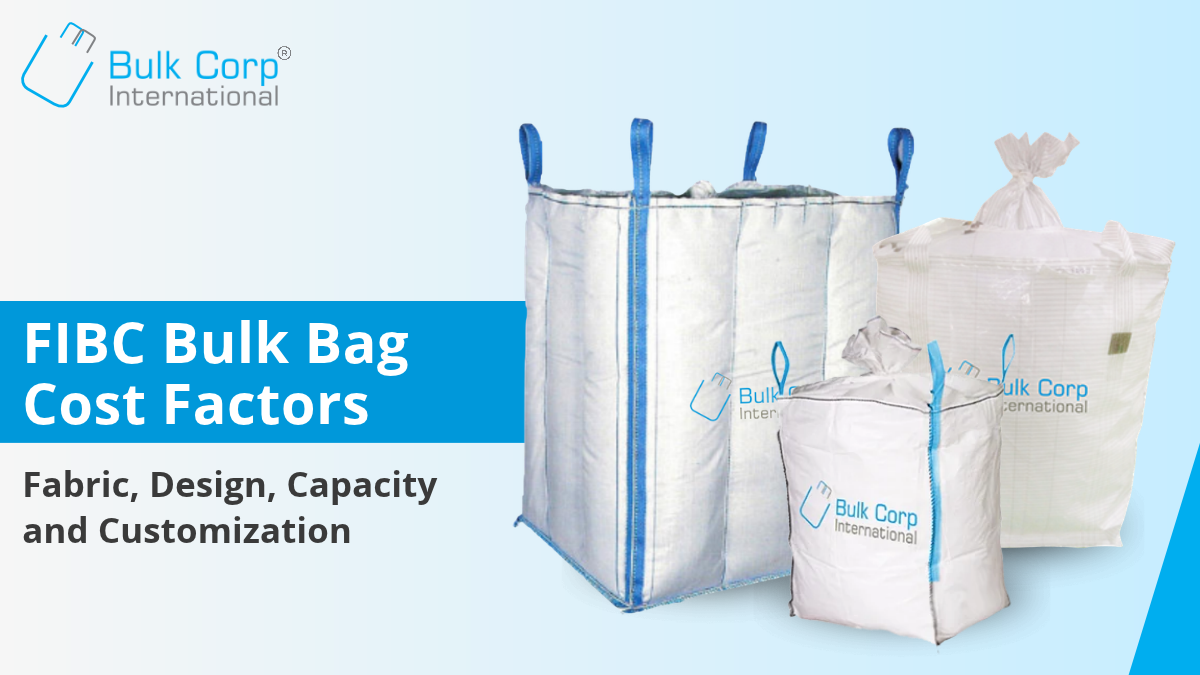
When purchasing Flexible Intermediate Bulk Containers (FIBCs), also known as jumbo bags or bulk bags, the price depends on several factors beyond size. Fabric quality, load capacity, bag design, safety requirements, and customization all influence the final cost.
Understanding the FIBC Bulk Bag Cost helps businesses select suitable packaging while managing their budgets. Whether you need bags for food grains, chemicals, fertilizers, minerals, or other industrial materials, knowing these cost factors makes it easier to compare suppliers and choose the right solution.
Bulk Corp International offers FIBC packaging solutions for different industrial applications. This guide explains the main factors affecting bulk bag prices and how businesses can make informed purchasing decisions.
1. What Determines FIBC Bulk Bag Cost?
The cost of an FIBC bag depends on its materials, construction, specifications, and intended application. Manufacturers consider several factors when preparing quotations.
The main FIBC bag cost factors include:
- Polypropylene fabric quality and weight
- Bag dimensions and load capacity
- Design and lifting arrangements
- Safety factor and testing requirements
- Liners, coatings, and moisture protection
- Printing and customization
- Order quantity and manufacturing requirements
- Transportation and delivery costs
Comparing these specifications helps buyers understand price differences and avoid choosing a bag based only on its initial cost.
2. Fabric Quality and Weight
Fabric is one of the main components affecting FIBC bulk bag price. Most standard FIBC bags use woven polypropylene (PP), a durable material suitable for transporting bulk products.
However, fabric specifications vary depending on the intended application. Weight, strength, weave, coating, and additional treatments can influence the final cost.
How Does Fabric Weight Affect Pricing?
Fabric weight is measured in grams per square metre (GSM). Heavier fabric generally requires more raw material, which can increase manufacturing costs. The required GSM depends on the bag’s dimensions, working load, design, and handling conditions.
For example, bags used for heavy industrial materials may require different fabric specifications from bags used for lighter agricultural products.
Coated and Uncoated Fabric
Coated fabric helps reduce moisture penetration and fine-particle leakage through the woven material. Uncoated fabric allows greater air exchange. The appropriate option depends on the product and storage conditions.
Polypropylene resin prices can also fluctuate, affecting fabric production and the overall bulk bag manufacturing cost.
Buyer tip: Confirm fabric weight, coating, and performance requirements before comparing quotations.
3. Bag Design and Construction
Bag design affects material consumption, manufacturing complexity, filling efficiency, and unloading performance. Standard designs may require fewer production steps than specialized bags with internal baffles or customized discharge systems.
Four-Loop FIBC Bags
Four-loop bags provide lifting points for handling with suitable equipment. Buyers can select different top and bottom configurations according to their filling and unloading requirements.
Open tops, filling spouts, discharge spouts, and additional closures can affect the final price.
Q Bags and Baffle Bags
Q Bags, also known as baffle bags, use internal corner baffles to help maintain a squarer shape when filled. This design can improve stacking and space utilization during transportation.
However, baffle construction requires additional materials and manufacturing steps, which may increase the price.
One-Loop and Two-Loop Bags
One-loop and two-loop bags offer alternative lifting arrangements for specific applications. Their cost depends on fabric specifications, working load, dimensions, and construction.
The best design balances purchase cost with handling efficiency and storage requirements.
4. FIBC Bulk Bag Capacity
FIBC bulk bag capacity influences pricing because different working loads may require different fabric specifications and construction methods.
Buyers should distinguish between safe working load (SWL), measured in kilograms, and bag volume, measured in litres or cubic metres. SWL indicates the load the bag is designed to carry under specified conditions, while volume describes its available space.
How Capacity Affects Cost
Bags designed for higher working loads may require stronger fabric, reinforced lifting arrangements, or additional structural support. These requirements can increase manufacturing costs.
However, capacity alone does not determine the price. Dimensions, fabric weight, bag construction, and other specifications also matter.
Consider Product Density
Different materials have different bulk densities. A dense mineral may require less volume than a lightweight agricultural product of the same weight.
Before selecting a bag, consider:
- Product weight and bulk density
- Required dimensions and volume
- Storage and transportation space
- Filling and unloading equipment
- Required lifting and stacking conditions
Choosing the right capacity helps businesses avoid unnecessary material use while meeting their operational requirements.
5. Safety Factor, Testing and Certification
Safety requirements can influence the industrial bulk bag price. Buyers should select bags that meet the handling, transportation, and regulatory requirements of their applications.
Single-Trip and Multi-Trip Bags
FIBCs may be designed for single-trip or multi-trip use. These categories involve different safety factors and construction requirements.
A 5:1 safety factor is commonly associated with single-trip bags, while 6:1 is commonly associated with multi-trip designs. The appropriate specification depends on the applicable standard and intended use.
UN-Certified FIBC Bags
Businesses transporting regulated dangerous goods may require UN-certified FIBCs that meet the relevant packaging requirements.
Depending on the applicable standards, testing may include drop, top-lift, stacking, topple, and righting tests. Testing and certification requirements can increase manufacturing costs.
Buyers should confirm the applicable dangerous-goods classification and packaging requirements before selecting a bag.
Never compromise essential safety specifications simply to obtain a lower FIBC bulk bag price.
6. Liners, Coatings and Moisture Protection
Additional protective features can increase the purchase price but may provide important benefits for specific products.
Inner Liners
FIBC liners provide an additional layer inside the outer bag. Depending on their material and design, they can help protect products from moisture, contamination, or leakage.
The cost depends on liner material, thickness, shape, and fitting requirements. Buyers should select liners according to product compatibility and the required level of protection.
Coating and UV Protection
Coated fabric can help limit moisture penetration and fine-particle leakage, although it does not automatically make a bag waterproof or airtight.
For bags exposed to prolonged sunlight, UV stabilization may help protect polypropylene fabric against degradation. These additional treatments can affect material costs.
Selecting appropriate protection helps businesses balance purchase price with product safety and storage requirements.
7. FIBC Bag Customization
FIBC bag customization allows businesses to match packaging with their products, equipment, and transportation needs. However, specialized features can increase manufacturing costs.
Bulk Corp International offers FIBC packaging options with different designs and specifications to suit various applications.
Dimensions and Lifting Loops
Custom dimensions can help bags fit filling equipment, storage areas, and shipping containers. Changes in dimensions affect fabric consumption and production requirements.
Lifting loop design, positioning, and reinforcement also influence the final price.
Top and Bottom Configurations
Different filling and discharge arrangements support different operational processes.
- Open top: Suitable for applications that allow filling from an open top.
- Filling spout: Connects the bag to compatible filling equipment.
- Discharge spout: Supports controlled unloading.
- Full drop bottom: Allows the bottom to open for discharge in suitable applications.
- Closure flaps: Help cover the opening according to the design.
Specialized configurations may require additional materials and production steps.
Printing and Branding
Printed bags can display company logos, product details, and handling information. Printing costs depend on the number of colours, print area, artwork, and production method.
Conductive and Type D Bags
Some applications require electrostatic risk control. Type C FIBCs rely on proper grounding, while Type D bags use suitable static-dissipative fabric technology designed to control electrostatic discharge without grounding.
These specialized bags may require specific materials and manufacturing controls. Buyers should select the appropriate type according to the application and safety assessment.
8. Order Quantity and Manufacturing Costs
Order quantity can influence the unit price of FIBC bags. Larger orders may allow manufacturers to distribute setup and production costs across more units.
Smaller orders may have higher per-unit costs, particularly when they require specialized designs or printing. Actual savings depend on the manufacturer, specifications, and order volume.
Before placing an order, confirm:
- Minimum order quantity
- Pricing for different order volumes
- Setup and printing charges
- Sample costs, if applicable
- Production lead time
- Payment terms and quotation validity
Ordering in larger quantities can reduce the unit price, but businesses should also consider storage costs and inventory requirements.
9. Transportation and Delivered Costs
The quoted FIBC bulk bag price may not include every expense associated with purchasing and receiving the bags.
Depending on the agreement, additional costs may include:
- Packaging and palletization
- Inland transportation
- International freight and insurance
- Customs duties and clearance
- Warehousing and final delivery
Bag design can also influence shipping efficiency. For example, a suitable baffle bag may improve container utilization in certain applications and help reduce transportation costs per unit.
Always compare quotations using the same specifications, order quantity, delivery destination, and shipping terms.
Get the Right FIBC Bags for Your Business
FIBC Bulk Bag Cost depends on several connected factors, including fabric quality, bag design, capacity, safety requirements, customization, and transportation. Evaluating these factors together helps businesses choose suitable packaging and compare suppliers effectively.
Bulk Corp International provides FIBC bags and container liners for various industrial applications. Our team can help you identify suitable packaging options based on your product, handling requirements, and specifications.