



Quality Control in Bulk Packaging: How Manufacturers Ensure Strength and Reliability
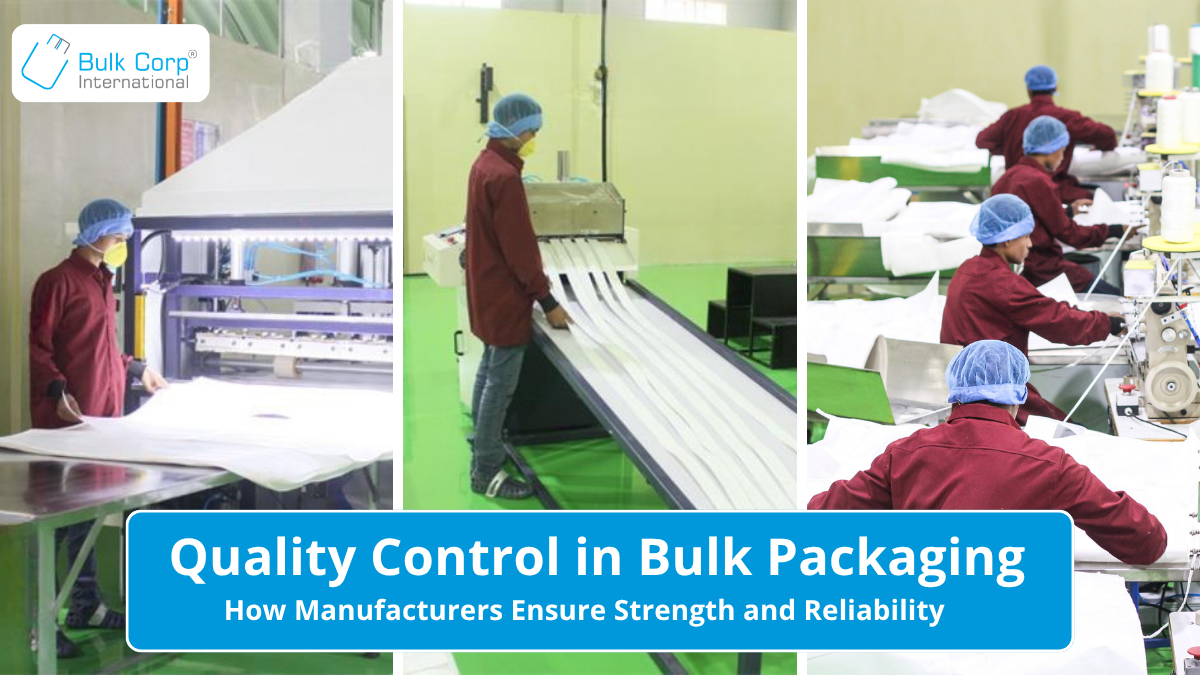
In industries where bulk materials are transported daily ranging from agriculture and construction to chemicals and food processing packaging is more than just a container. It is a critical component that ensures product safety, operational efficiency, and cost-effectiveness. This is why quality control in bulk packaging plays a vital role in delivering quality FIBC bags that meet strict performance and safety standards.
Manufacturers today follow advanced processes, rigorous testing methods, and standardized procedures to ensure that every bulk bag is strong, reliable, and fit for purpose. In this blog, we’ll explore how quality control is implemented at every stage of production to guarantee consistent performance.
Understanding the Importance of Quality Control in Bulk Packaging
Quality control is a systematic process used to ensure that products meet defined standards and specifications. It involves inspection, testing, and monitoring at every stage of manufacturing to prevent defects and maintain consistency.
In the context of bulk packaging, especially FIBCs (Flexible Intermediate Bulk Containers), quality control ensures:
- Safe handling of heavy loads
- Protection of stored materials
- Compliance with industry standards
- Reduced risk of product loss or accidents
Without strict quality control, even minor defects can lead to major operational and safety issues.
Key Stages of Quality Control in FIBC Manufacturing
To produce quality FIBC bags, manufacturers implement quality checks at every stage of production from raw material selection to final dispatch.
1. Raw Material Inspection
The foundation of a strong bulk bag lies in its raw material. Most FIBC bags are made from woven polypropylene, known for its durability and flexibility.
Manufacturers carefully inspect raw materials for:
- Strength and consistency
- Resistance to environmental factors
- Purity and absence of contaminants
Using high-quality raw materials ensures the final product can withstand heavy loads and harsh conditions.
2. Extrusion and Weaving Quality Checks
During production, polypropylene is melted and converted into tapes, which are then woven into fabric. This stage is crucial because the fabric determines the overall strength of the bag.
Quality control at this stage includes:
- Monitoring tape thickness and uniformity
- Ensuring proper weaving patterns
- Checking fabric density and tensile strength
Any inconsistency here can compromise the structural integrity of the bag.
3. Cutting and Stitching Inspection
Once the fabric is ready, it is cut into panels and stitched to form the final bag structure. This stage requires precision and expertise.
Quality checks focus on:
- Accurate dimensions and design specifications
- Strong and secure stitching
- Reinforced lifting loops and seams
Inspectors often evaluate each batch to ensure that stitching meets durability requirements, and defective bags are removed immediately.
4. In-Process Quality Monitoring
Modern manufacturers implement continuous quality monitoring throughout production. This includes:
- Real-time inspections during manufacturing
- Periodic audits of production processes
- Adherence to predefined quality standards
Suppliers are expected to maintain strict quality control systems and conduct regular audits to ensure consistent output.
5. Strength and Performance Testing
Before bulk bags reach customers, they undergo rigorous testing to ensure they can handle the intended load. For this the standard test to be conducted is: Top Lift Test which ensures the bag can carry its Safe Working Load (SWL)
Strength testing is a critical aspect of quality control, as it ensures the bag can safely handle heavy materials without failure.
6. Batch Testing and Traceability
Traceability is an essential component of quality control in bulk packaging. Each batch of FIBC bags is assigned a unique identification number, allowing manufacturers to track production details.
Batch testing involves:
- Selecting random samples from each batch
- Conducting performance and durability tests
- Identifying defects before shipment
This process ensures faulty products are detected early and prevents defective bags from reaching customers.
7. Final Inspection and Quality Assurance
Before dispatch, every bag undergoes a final inspection to ensure it meets all specifications. This includes:
- Visual inspection for defects
- Verification of dimensions and labeling
- Ensuring compliance with customer requirements
Only bags that pass all quality checks are approved for shipment, ensuring consistent delivery of quality FIBC bags.
Factors That Influence Strength and Reliability
The strength and reliability of bulk packaging depend on multiple factors, including:
Fabric Quality
High-quality woven fabric ensures durability and load-bearing capacity.
Manufacturing Precision
Accurate cutting, stitching, and assembly prevent structural weaknesses.
Testing Standards
Rigorous testing ensures the bag performs under real-world conditions.
Quality Assurance Systems
Well-defined processes and audits maintain consistency across production batches.
According to industry insights, the overall quality of FIBC bags depends on fabric, manufacturing processes, and post-production quality control working together.
Role of Technology in Modern Quality Control
With advancements in manufacturing, technology is playing a bigger role in ensuring quality. Many manufacturers now use:
- Automated inspection systems
- Data-driven quality monitoring
- Predictive analytics to detect defects early
These innovations help improve efficiency, reduce errors, and ensure consistent product quality across large-scale production.
Why Quality Control Matters for Businesses?
Investing in quality FIBC bags is not just about durability it directly impacts business operations.
Reduced Product Loss
Strong and reliable packaging prevents leakage, contamination, and damage.
Improved Safety
High-quality bags reduce the risk of accidents during handling and transportation.
Cost Efficiency
Fewer defects and failures lead to lower replacement and operational costs.
Compliance and Reputation
Meeting industry standards enhances brand credibility and customer trust.
Industry Trends in Bulk Packaging Quality
As industries evolve, the demand for high-performance bulk packaging continues to grow.
Key trends include:
- Increased focus on safety and compliance
- Adoption of advanced testing methods
- Integration of automation in quality control
- Growing demand for customized and high-strength FIBC solutions
These trends highlight the importance of continuous improvement in quality control practices.
Conclusion
Quality control is the backbone of reliable bulk packaging. From raw material selection to final inspection, every step in the manufacturing process is carefully monitored to ensure strength, durability, and safety. By implementing rigorous testing, batch tracking, and continuous monitoring, manufacturers deliver quality FIBC bags that meet the highest industry standards.
For businesses that rely on bulk packaging, choosing a trusted manufacturer with strong quality control practices is essential. Companies like Bulk Corp International exemplify how advanced manufacturing processes and strict quality assurance can deliver packaging solutions that ensure both performance and peace of mind.