



Big Bags in Modern Supply Chains: Applications Across Industries and Key Advantages
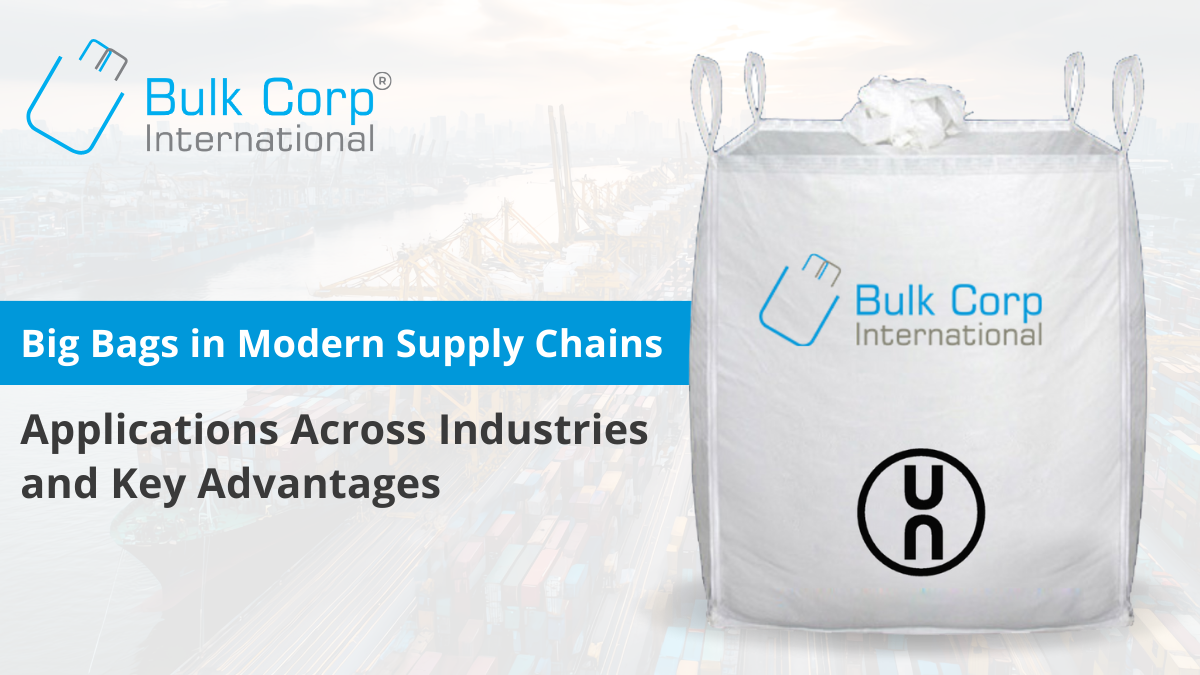
Big bags—also known as bulk bags, super sacks, or flexible intermediate bulk containers (FIBCs)—are among the most versatile and indispensable packaging solutions in modern logistics and supply chains. These high-capacity industrial containers are engineered to store and transport large volumes of dry, flowable materials such as powders, granules, minerals, chemicals, and agricultural products. Their robust design and adaptability make them essential across a broad spectrum of industries.
What are Big Bags?
Big bags are flexible, woven polypropylene containers designed for the efficient handling of bulk materials weighing anywhere from hundreds to thousands of kilograms. They are constructed with strong woven fabric that resists stress and tearing, making them suitable for stacking, lifting, and long-distance transport. These bags come with integrated lifting loops that allow forklifts, cranes, and other equipment to move them safely throughout the supply chain.
Within the category of big bags, UN-certified bulk bags represent a specialized subset. These bags comply with stringent United Nations regulations for handling hazardous materials, undergoing rigorous testing to ensure they meet global safety standards for transportation and storage.
Applications Across Industries
1. Chemical & Hazardous Materials
Big bags designed to carry hazardous products must ensure both safety and compliance. UN-certified bulk bags are built for this purpose, meeting the performance criteria for transporting dangerous goods. Such bags undergo tests like drop tests, stacking tests, tear tests, and stability assessments to verify their reliability under extreme conditions. These certified big bags are essential for the safe movement of toxic powders, corrosive substances, and other potentially harmful chemicals within and between countries.
Because they adhere to global regulations and safety standards, UN-certified FIBCs help companies protect their workforce, reduce environmental risk, and maintain compliance with international transport regulations.
2. Agriculture & Food Products
In the agricultural sector, big bags serve to pack and transport an array of products such as seeds, grains, fertilizers, and feed. Their flexible nature allows for efficient loading and unloading, minimizing product loss and contamination risk. Specially designed bags—such as ventilated big bags—provide airflow and protection against moisture, helping preserve product quality.
Big bags also simplify handling during harvest and storage, optimizing warehouse space and reducing dependency on manual handling, which improves safety and operational efficiency.
3. Mining & Minerals
Mining operations require rugged packaging solutions to deal with heavy, abrasive materials like ore concentrates, aggregates, and tailings. Big bags withstand the rough handling that is typical in the mining supply chain, from extraction through processing and shipment. Their durability reduces the risk of material spills, improves transport security, and facilitates efficient bulk movement.
4. Construction & Building Materials
Construction materials such as sand, cement, gravel, and aggregates benefit from big bag packaging due to their capacity and strength. These bags support bulk transport to construction sites where individual handling of bags would otherwise be labor-intensive and time-consuming. Their ability to be stacked and lifted with standard equipment drives productivity while reducing logistical costs.
5. Waste Disposal & Recycling
Industries generating non-hazardous waste streams—including industrial residues and recyclable materials—use big bags to collect, transport, and store bulk waste efficiently. The bags’ high capacity and stackability improve waste management workflows, lower costs, and support reclaiming recyclable materials.
Key Advantages of Big Bags in Modern Supply Chains
· High Load Capacity & Efficiency
Big bags can hold significant material volumes, often up to 1000–1500 kg or more, depending on design and certification. This exceptional load capacity enables companies to move large quantities in fewer cycles, reducing transportation costs and improving operational throughput.
· Customizable for Specific Needs
Big bags are highly adaptable. Manufacturers can customize them with features such as liners for moisture or contamination control, anti-static materials for flammable goods, and designs that facilitate automated filling and discharge systems. This versatility allows businesses to tailor big bags to unique material properties and handling requirements.
· Improved Safety & Compliance
For hazardous materials, UN-certified bulk bags are indispensable in modern supply chains. They meet internationally recognised standards that help protect workers, the environment, and cargo during transport and storage. This compliance reduces the risk of fines, spills, and workplace incidents while improving supply chain transparency.
· Space Optimization & Logistics
Big bags are designed for efficient stacking and storage. When filled, they maintain their shape and stack securely, helping maximise warehouse space. Their flexible nature also reduces empty space during transport, allowing for more efficient cargo loading and reduced freight costs.
· Cost-Effectiveness
Compared to rigid containers or crates, big bags offer a cost-effective bulk packaging solution. They reduce material costs, lower labour requirements, and streamline handling. For many industries, the total cost of ownership over the bags’ life—especially when designed for multiple trips—can be significantly lower than alternatives.
· Enhanced Supply Chain Visibility
Using certified and documented bulk bags helps in traceability and auditing processes. For example, UN-certified bags are marked with recognised symbols and packaging group information, aiding in regulatory inspections and record-keeping for international shipments.
The Role of Big Bags in Modern Logistics
Big bags have become foundational in modern logistics due to their efficiency, adaptability, and compliance capabilities. They improve material flow, reduce handling time, and integrate easily with mechanised systems such as forklifts, conveyor lines, and automated warehouse solutions. Their design supports both manual and automated operations, enabling supply chains to remain agile, safe, and productive.
In increasingly globalised markets—where goods may travel by road, sea, and rail—reliable packaging is critical. Big bags that meet international standards reduce delays at customs, simplify documentation, and ensure that hazardous and non-hazardous goods alike are protected throughout transit.
Looking Ahead: Big Bags and Sustainable Practices
As supply chains evolve, demand for more sustainable big bag solutions is rising. Manufacturers are exploring recyclable materials, multi-use bag designs, and processes that reduce environmental impact without sacrificing performance. Sustainable big bag options support corporate environmental goals and enhance brand reputation while continuing to deliver operational advantages.
With continued innovation and regulatory developments, big bags will remain an essential part of modern logistics—delivering safety, efficiency, and cost savings. Partner with Bulk Corp International for world-class big bag and bulk packaging solutions tailored to your industry’s needs.