



From Sparks to Safety: How Type C FIBC Bags Prevent Electrostatic Risks in Bulk Transport
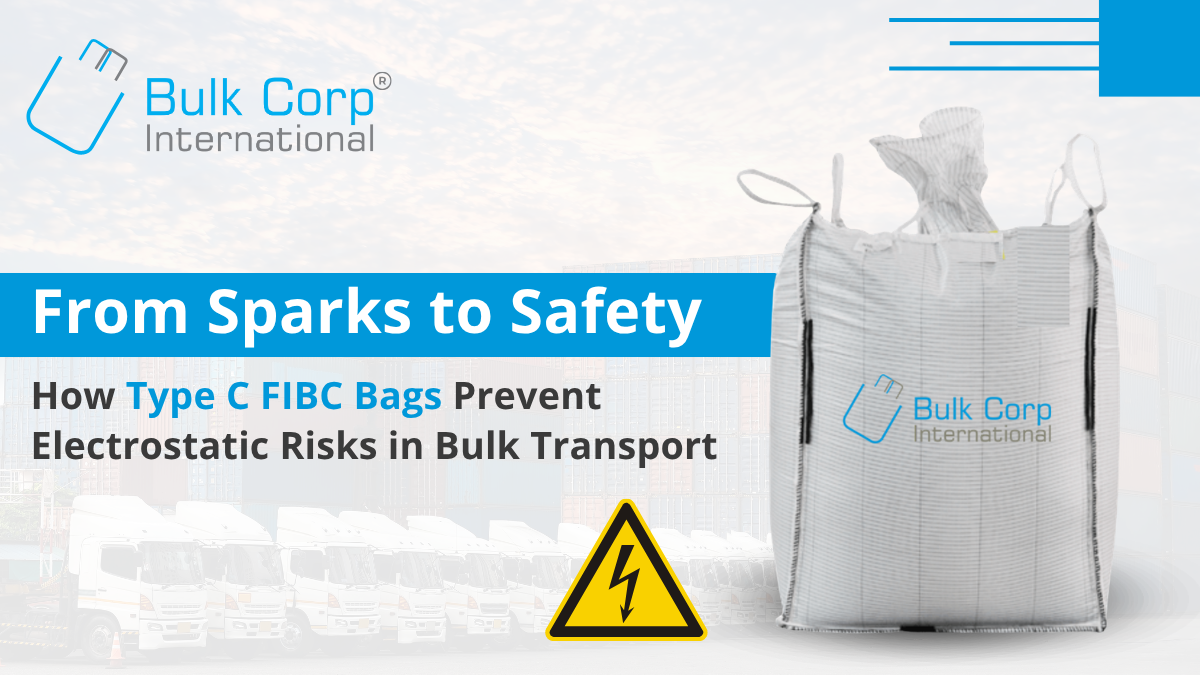
In industries dealing with powders, chemicals, and flammable materials, safety is not optional it’s critical. One of the most underestimated hazards in bulk material handling is static electricity. A single spark generated during filling or discharge can lead to devastating fires or explosions. This is where type C FIBC bags play a vital role.
Designed specifically for hazardous environments, type C FIBC bags are engineered to safely dissipate static electricity, transforming potentially dangerous operations into controlled and secure processes. In this blog, we’ll explore how these bags work, why they are essential, and how they help industries move from risk to reliability.
Understanding the Risk: Why Static Electricity Matters
Static electricity is generated when materials move or rub against surfaces especially during the filling, handling, or emptying of bulk bags. Fine powders and dry materials are particularly prone to creating electrostatic charges.
When these charges accumulate, they can discharge as sparks. In environments where flammable gases, vapors, or dust clouds are present, even a small spark can ignite an explosion.
Traditional packaging solutions like standard bulk bags (Type A or B) do not effectively dissipate static electricity, making them unsuitable for hazardous materials. This gap led to the development of specialized solutions like type C FIBC bags.
What Are Type C FIBC Bags?
Type C FIBC bags, also known as conductive bulk bags, are designed to control and dissipate static electricity through grounding. These bags are constructed using a combination of non-conductive polypropylene fabric interwoven with conductive threads or filaments.
These conductive elements form a network that channels static electricity safely away from the bag.
Key Construction Features:
- Interwoven conductive threads or carbon-loaded yarns
- Grounding tabs or straps for safe discharge
- Durable woven polypropylene structure
- Designed for use in hazardous and combustible environments
How Type C FIBC Bags Prevent Electrostatic Risks?
The effectiveness of type C FIBC bags lies in their ability to control static electricity through a simple yet powerful mechanism: grounding.
1. Dissipation of Static Charges
During filling or discharge, static charges build up inside the bag. The conductive threads embedded in the fabric create a pathway that allows these charges to flow safely through the bag.
When connected to a proper grounding system, the static electricity is discharged into the earth, preventing accumulation and eliminating the risk of sparks.
2. Prevention of Hazardous Sparks
By continuously dissipating electrostatic energy, type C FIBC bags prevent the formation of high-energy discharges that could ignite flammable substances. This makes them essential for handling combustible powders and volatile chemicals.
3. Controlled Environment for Sensitive Materials
These bags not only protect against external ignition risks but also ensure that electrostatic-sensitive materials remain stable during transport and storage.
4. Enhanced Operational Safety
With proper grounding and usage, these bags significantly reduce workplace hazards, protecting both workers and facilities from accidents caused by electrostatic discharge.
Where Are Type C FIBC Bags Used?
Due to their safety features, type C FIBC bags are widely used across industries where electrostatic risks are high.
Common Applications:
- Chemical and petrochemical industries
- Food processing involving fine powders
- Mining and mineral processing
- Handling of pigments and specialty chemicals
These bags are especially critical in environments where combustible dust or flammable gases are present, as they provide a reliable solution for safe material handling.
Importance of Proper Grounding
While type C FIBC bags offer excellent protection, their effectiveness depends entirely on correct usage especially grounding.
- The bag must always be connected to a verified ground point
- Grounding should be maintained during filling and discharge
- Damaged or improperly connected grounding systems can reduce safety
If grounding is not properly implemented, the bag may fail to dissipate static charges, increasing the risk instead of reducing it.
Type C vs Other FIBC Bags: Why It Matters
Understanding how type C FIBC bags differ from other types helps in making the right choice:
- Type A Bags: No static protection, unsafe for flammable materials
- Type B Bags: Limited protection, cannot dissipate static charge
- Type C Bags: Conductive and grounded, ideal for hazardous environments
- Type D Bags: Static dissipative without grounding, used in specific conditions
Among these, type C FIBC bags are widely preferred for controlled environments where grounding can be ensured.
Benefits of Using Type C FIBC Bags
1. Maximum Safety Assurance
These bags minimize the risk of fires and explosions caused by electrostatic discharge.
2. Compliance with Industry Standards
They meet strict safety regulations required for handling hazardous materials.
3. Protection of Product Integrity
By preventing static buildup, they reduce contamination and product loss.
4. Improved Workplace Safety
They create a safer environment for workers handling sensitive or combustible materials.
5. Reliable Performance
Durable construction ensures consistent performance even in demanding industrial conditions.
Best Practices for Safe Usage
To maximize the benefits of type C FIBC bags, follow these best practices:
- Always ensure proper grounding before use
- Regularly inspect conductive threads and grounding points
- Train staff on safe handling procedures
- Avoid using damaged or worn-out bags
- Maintain clean and controlled working environments
These steps ensure that the bags perform effectively and maintain safety standards throughout their lifecycle.
Future of Electrostatic Safety in Bulk Packaging
With increasing awareness of industrial safety and stricter regulations, the demand for advanced packaging solutions like type C FIBC bags is growing rapidly. Innovations in conductive materials and smart monitoring systems are further enhancing safety and efficiency.
Industries are now prioritizing not just productivity but also risk prevention, making electrostatic-safe packaging an essential investment rather than an optional upgrade.
Bottom Line
From invisible sparks to real-world safety, type C FIBC bags play a crucial role in modern bulk transport. By effectively dissipating static electricity through grounding, they eliminate one of the most dangerous risks in material handling electrostatic discharge.
For industries dealing with flammable, sensitive, or high-risk materials, these bags are not just a packaging solution they are a safety system. Choosing the right conductive bulk bags and following proper handling practices can significantly reduce risks, protect assets, and ensure smooth operations.
For reliable, high-performance bulk packaging solutions tailored to industrial safety needs, businesses can trust the expertise of Bulk Corp International.