


Food Grade Bulk Bags: Safety Standards, Materials, and Compliance Requirements
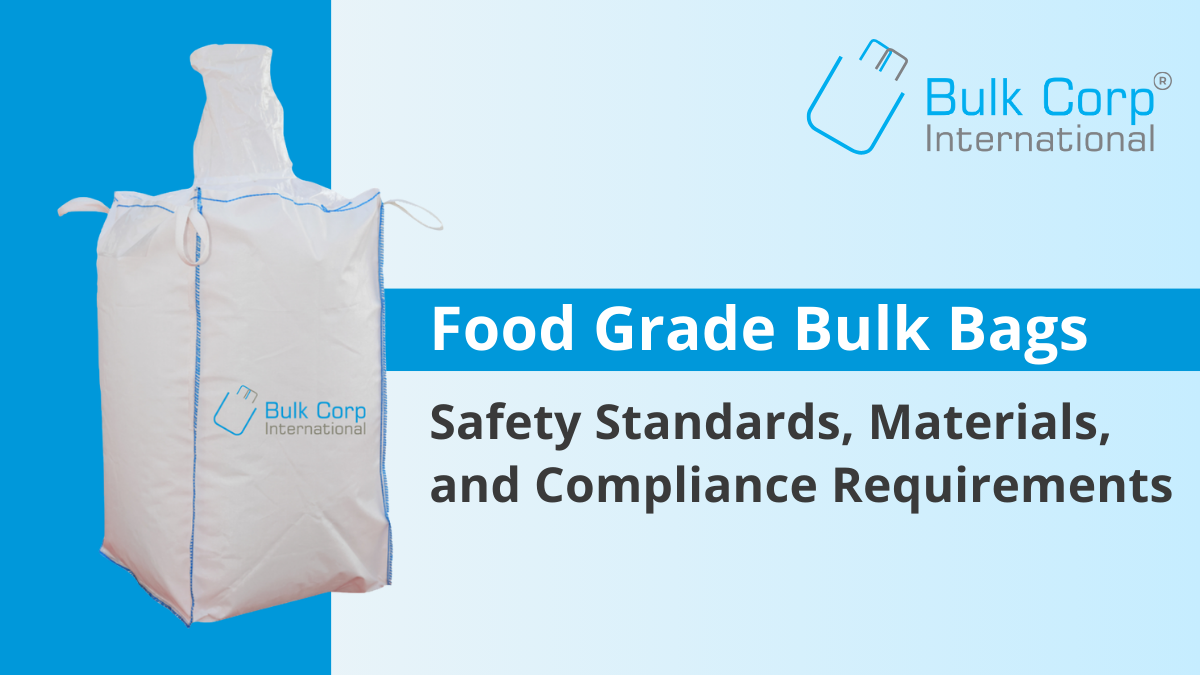
Food grade bulk bags—often referred to as food grade Flexible Intermediate Bulk Containers (FIBCs)—are indispensable in the modern food supply chain. From grains and pulses to flour, sugar, and protein powders, these large woven bags must meet extremely high safety standards, use appropriate materials, and comply with stringent regulatory requirements to ensure that food remains uncontaminated and safe throughout storage, transport, and handling.
What Makes a Bulk Bag “Food Grade”?
A food grade bulk bag differs fundamentally from standard industrial bags because it is designed to come into direct contact with food without risking contamination. These bags are typically constructed from virgin polypropylene resin that is free of recycled contaminants or harmful additives, ensuring they are safe for food contact.
The manufacturing environment is just as important as the material. Food grade FIBCs are produced in cleanroom conditions, where air quality, humidity, and particles are tightly controlled to minimize the risk of contamination. Facilities at Bulk Corp International follow quality processes such as Hazard Analysis Critical Control Point (HACCP) and adhere to stringent hygiene practices.
Key Safety Standards and Certifications
Food grade bulk bags must comply with both international and regional standards aimed at preventing contamination and ensuring safety throughout the food supply chain. These include:
1. FDA Compliance (U.S.):
In the United States, food packaging materials—including bulk bags—must comply with FDA regulations such as CFR Title 21, which outlines acceptable materials for food contact, ensuring no harmful chemical migration during storage and handling.
2. ISO Compliance:
Bulk Corp – an ISO-certified company – operates under globally recognized food safety management systems that cover everything from facility hygiene and traceability to hazard control. These standards are widely accepted by food businesses worldwide and are often essential for exporting food products internationally.
3. EU Regulations:
For Europe, bulk bags must comply with EU food contact materials laws, ensuring that plastics do not transfer harmful substances to food. These regulations emphasize traceability, migration testing, and conformity documentation.
4. Third-Party Certifications:
Certifications recognized by the Global Food Safety Initiative (GFSI)—such as BRC Global Standard and SQF—add an additional layer of assurance that the entire manufacturing process is monitored, audited, and compliant with international food safety best practices.
Critical Material Considerations
Food grade bulk bags are primarily made from virgin polypropylene because of its strength, durability, and low risk of chemical migration. Recycled materials are generally avoided in food grade applications unless they are specifically certified for food contact to ensure safety and prevent contamination.
Some food grade bulk bags also incorporate inner liners, typically made of polyethylene or other food-safe polymers, to provide an additional barrier against moisture, oxygen, and external contaminants. Liners are especially important when transporting fine powders or moisture-sensitive foods.
Rigorous Testing and Quality Controls
Compliance isn’t only about certifications; it’s also about real-world performance. Food grade bulk bags undergo rigorous performance testing to ensure they maintain their integrity under different conditions:
- Top lift tests to evaluate load capacity
- Compression tests to ensure stability during stacking
- Contamination screening using metal detection and vacuum cleaning to eliminate foreign particles
- Traceability systems where each bag is tracked from raw material to finished product
These procedures help ensure bags are safe, strong, and reliable before they are delivered to customers.
Compliance Beyond Manufacturing
Even after food grade bulk bags are manufactured according to standards, their continued compliance requires proper handling, storage, and inspection:
- Clean storage environments prevent contamination before use
- Regular inspections ensure bags remain structurally sound
- Documentation and traceability help food businesses prove compliance during audits
- Staff training in sanitary handling procedures is crucial to maintain hygiene throughout the supply chain
Best Practices for Selecting and Using Food Grade Bulk Bags
When choosing food grade bulk bags, businesses should prioritize:
- Certification documentation such as FDA compliance letters, ISO or GFSI certifications, and migration test reports
- Material safety data sheets (MSDS) detailing the composition and safety of bag materials
- Production traceability, which provides assurance that the bag was manufactured under clean and controlled conditions
- Correct liner usage, especially for fine or moisture-sensitive foods
Leveraging these best practices helps ensure that food products remain safe throughout the supply chain, from farm or factory to end consumer.
The Importance of Compliance for Business Success
Non-compliance with food grade standards isn’t just a regulatory problem—it’s a business risk. Using non-food grade bulk bags can lead to contamination, recalls, legal penalties, and loss of customer trust. In contrast, food grade bulk bags that meet or exceed international safety standards help businesses:
- Maintain product quality
- Meet food safety and hygiene regulations
- Facilitate international trade
These advantages make compliant food grade bulk bags an essential element of modern food logistics and packaging.
Conclusion
Food grade bulk bags are more than just large storage bags; they are critical components in ensuring food safety across the supply chain. By using certified materials, following stringent hygiene standards, and meeting regional and international compliance requirements, businesses can protect their products and consumers alike. Understanding the safety standards and regulatory framework allows food producers, processors, and logistics partners to select the right bulk packaging solutions with confidence.
Bulk Corp International provides high-quality, compliant food grade bulk bags that meet rigorous safety and material standards for global food industries.